
Veterinarians Role in Pet Health and Well-Being | Why Vets Matter for Pets
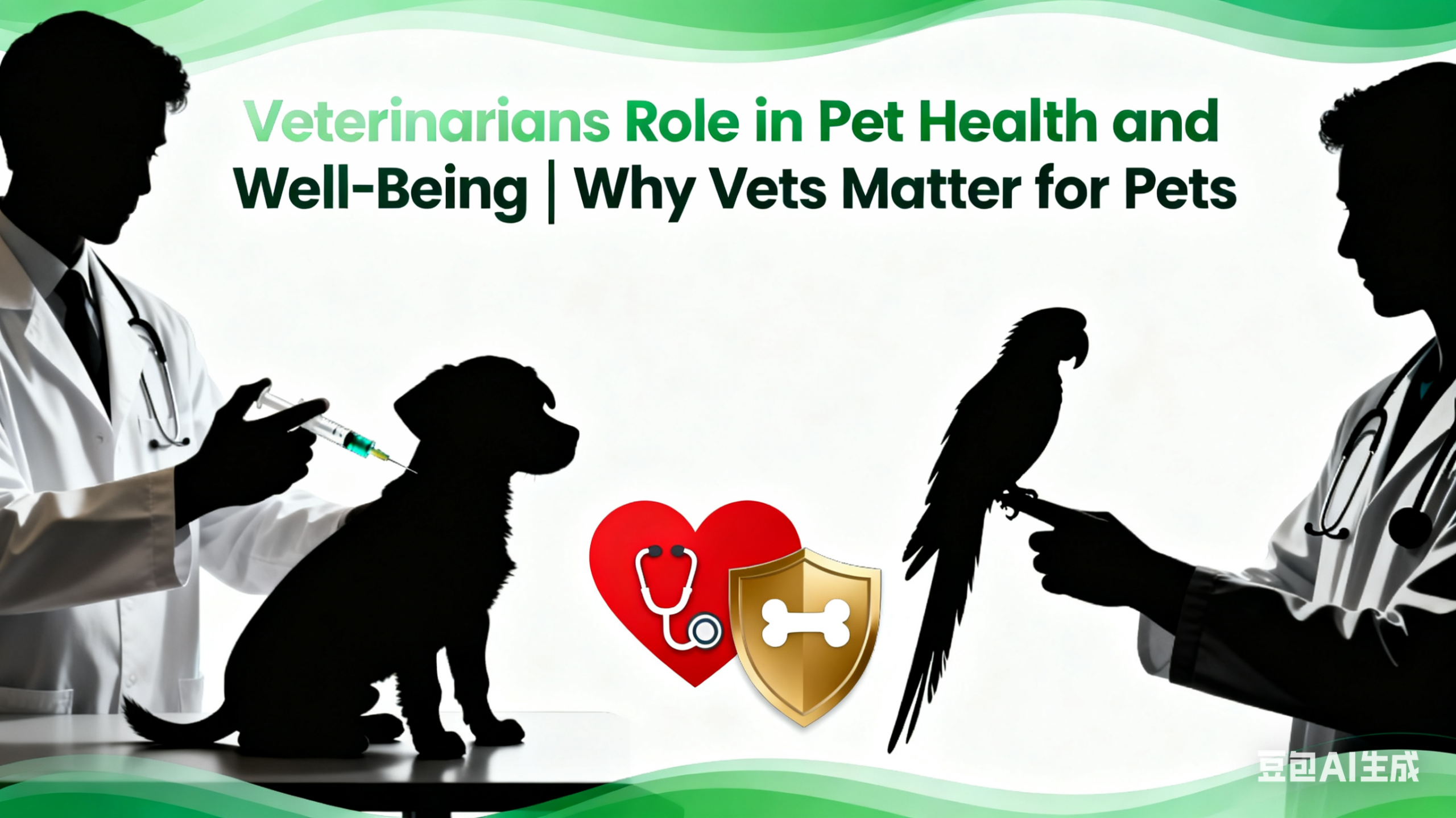
Table of Contents
- Veterinarians Role in Pet Health and Well-Being: 7 Key Contributions (2024)
- Table of Contents
- Introduction: The Essential Veterinarians Role in Pet Health and Well-Being
- 1. Clinical Expertise: Diagnosing and Treating Pet Health Issues
- 2. Preventive Healthcare: Keeping Pets Healthy Before Illness Strikes
- 3. Guiding Pet Owners: Informed Decisions for Pet Health
- 4. Advocating for Animal Welfare: Fighting Abuse and Neglect
- 5. Protecting Public Health: Managing Zoonotic Diseases
- 6. Promoting Responsible Pet Ownership: Education and Outreach
- 7. Advancing Animal Health: Research and Innovation
- Challenges Facing Veterinarians in Supporting Pet Health
- Conclusion: Celebrating Vets as Pet Health Partners
Introduction: The Essential Veterinarians Role in Pet Health and Well-Being
As pet owners, we strive to keep our furry, feathered, or scaled companions happy and healthy—but none of this is possible without the expertise of veterinarians. The veterinarians role in pet health and well-being goes far beyond annual check-ups or emergency visits; vets are partners in every stage of your pet’s life, from puppyhood to senior years, and advocates for their overall welfare. In this guide, we’ll break down the 7 key ways veterinarians support your pet’s health, and why their work is irreplaceable for creating long, joyful lives with your beloved companion.
1. Clinical Expertise: Diagnosing and Treating Pet Health Issues
At the core of the veterinarians role in pet health and well-being is their ability to diagnose and treat a wide range of animal health conditions. Unlike humans, pets can’t tell us when they’re in pain or what’s wrong—so vets rely on years of training, diagnostic tools (like X-rays, blood work, and ultrasounds), and keen observation to identify issues.
Whether your pet has a common ear infection, a persistent skin allergy, or a complex disease like cancer or heart failure, vets have the skills to create targeted treatment plans. For chronic conditions (such as diabetes in cats or arthritis in senior dogs), they also manage long-term care—adjusting medications, monitoring progress, and making lifestyle recommendations to keep your pet comfortable. This expertise ensures your pet gets prompt, effective care, reducing suffering and improving their quality of life.
2. Preventive Healthcare: Keeping Pets Healthy Before Illness Strikes
Another critical part of the veterinarians role in pet health and well-being is preventive care—stopping health issues before they start. Vets don’t just treat sick pets; they work to keep healthy pets thriving through routine check-ups, vaccinations, and personalized advice.
During annual or bi-annual visits, vets perform thorough exams to catch early signs of disease (like dental decay, thyroid issues, or organ dysfunction) that might go unnoticed by pet owners. They also administer core vaccines (such as rabies, distemper, and parvovirus) to protect against life-threatening illnesses, and recommend parasite prevention (fleas, ticks, heartworms) tailored to your pet’s lifestyle. Additionally, vets advise on nutrition (e.g., choosing the right food for a puppy vs. a senior dog) and exercise habits, ensuring your pet maintains a healthy weight and avoids obesity-related issues like joint pain or diabetes.
3. Guiding Pet Owners: Informed Decisions for Pet Health
Pets rely on their owners to make the best choices for their health—and veterinarians play a key role in empowering owners with the right information. This part of the veterinarians role in pet health and well-being includes explaining treatment options in simple terms, helping you weigh the pros and cons of medications or procedures, and even discussing difficult topics like end-of-life care.
For example, if your senior pet has advanced kidney disease, a vet will walk you through options like fluid therapy, dietary changes, or palliative care, and help you decide what’s best for your pet’s comfort. They also offer guidance on behavioral issues (like separation anxiety in dogs or inappropriate scratching in cats), teaching you training techniques or recommending tools (like puzzle toys) to strengthen your bond with your pet and reduce stress. By making you a more informed pet owner, vets ensure your pet’s needs are met even outside the clinic.
4. Advocating for Animal Welfare: Fighting Abuse and Neglect
Veterinarians are often the first line of defense for animals experiencing abuse or neglect—and this advocacy is a vital part of the veterinarians role in pet health and well-being. Vets are trained to recognize signs of mistreatment (such as unexplained injuries, malnutrition, or poor living conditions) and are required by law in many regions to report suspected cases to animal welfare authorities.
Beyond reporting, vets also work with organizations like the ASPCA or local animal shelters to provide medical care for rescued animals. For example, a vet might treat a dog rescued from a hoarding situation for infections or injuries, then help with rehabilitation to prepare the dog for adoption. They also promote humane practices in areas like breeding (discouraging puppy mills) and research (ensuring animals are treated ethically), ensuring pets are respected and cared for in every setting.
5. Protecting Public Health: Managing Zoonotic Diseases
The veterinarians role in pet health and well-being extends beyond individual pets—it also protects human health. Vets are experts in zoonotic diseases: illnesses that can spread from animals to humans (such as rabies, salmonella, and Lyme disease). They monitor for outbreaks, treat infected pets to stop transmission, and work with public health officials to educate communities about prevention.
For example, if a vet diagnoses a dog with rabies, they’ll coordinate with local health departments to ensure proper quarantine and prevent exposure to humans. They also advise pet owners on safe practices (like washing hands after handling raw pet food or cleaning litter boxes) to reduce the risk of salmonella. Additionally, vets play a role in food safety—inspecting farm animals to ensure the meat, eggs, and dairy we consume are free from disease, linking pet health to broader public health.
6. Promoting Responsible Pet Ownership: Education and Outreach
Veterinarians don’t just work with individual pets and owners—they also educate communities to promote responsible pet ownership, a key part of the veterinarians role in pet health and well-being. Through workshops, school programs, and social media, vets share critical information like:
- The importance of spaying/neutering to control pet overpopulation and reduce the risk of certain cancers.
- The risks of owning exotic pets (like reptiles or birds) without proper knowledge, and how to care for them safely.
- How to keep pets safe from hazards (such as toxic plants, chocolate, or hot cars).
Many vets also partner with youth organizations (like 4-H) to teach kids about animal care, inspiring the next generation of responsible pet owners. By spreading this knowledge, vets create safer, healthier environments for both pets and humans.
7. Advancing Animal Health: Research and Innovation
The veterinarians role in pet health and well-being also includes driving progress in animal medicine through research and innovation. Vets working in academia or industry study animal diseases, behavior, and genetics to develop new treatments, technologies, and best practices.
For example, vet researchers have developed new cancer therapies (like immunotherapy) for dogs, which not only help our pets but also provide insights into human cancer treatments. They’ve also created better parasite preventives and specialized diets for pets with allergies or chronic conditions. This research ensures that the care vets provide continues to improve, giving pets longer, healthier lives—and strengthening the bond between pets and their owners.
Challenges Facing Veterinarians in Supporting Pet Health
While the veterinarians role in pet health and well-being is invaluable, vets face significant challenges in their work. One of the biggest is emotional stress: they often have to make difficult end-of-life decisions, deliver bad news to pet owners, and witness animal suffering—all of which can take a toll on their mental health.
Cost is another barrier: veterinary care can be expensive, and many pet owners struggle to afford emergency treatments or long-term care. Vets often work with owners to find affordable options (like payment plans or generic medications), but this can still be a source of frustration. Additionally, the field of veterinary medicine is constantly evolving, so vets must invest time and resources in ongoing education to stay updated on the latest research and techniques.
Conclusion: Celebrating Vets as Pet Health Partners
The veterinarians role in pet health and well-being is multifaceted and essential. From treating sick pets to preventing disease, advocating for welfare to educating communities, vets are more than just “animal doctors”—they’re partners in creating happy, healthy lives for your beloved companions.
As a pet owner, recognizing and supporting your vet’s work (like keeping regular appointments, following their advice, and acknowledging their efforts) helps strengthen this partnership. Whether you have a dog, cat, bird, or exotic pet, the care and expertise of a veterinarian is the foundation of a long, joyful life with your furry friend.
To learn more about supporting your pet’s health, check out our related article: How to Choose a Vet for Your Pet — a guide to finding the right vet to fulfill this critical role.



Leave a Comment